

As temperatures begin to drop and Canadians spend more time indoors, fall is the ideal season to tackle preventative home maintenance. Preparing your windows and doors before winter arrives can help improve comfort, reduce energy loss, and protect your home's value.
A little attention now can help prevent drafts, moisture issues, and unnecessary wear during the coldest months of the year. Whether your home features brand-new windows and doors or products that have been in place for years, these simple maintenance tips can help keep them performing at their best all winter long.
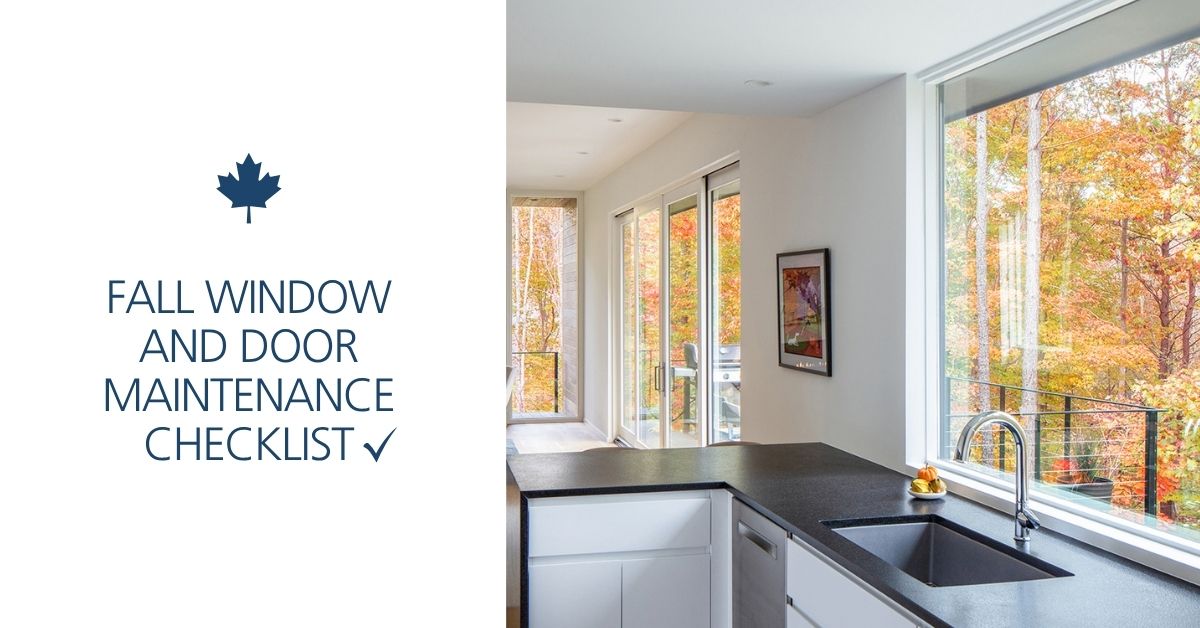
Start With a Fall Maintenance Checklist
Creating a seasonal maintenance checklist is one of the easiest ways to stay organized and ensure important tasks don't get overlooked.
For windows and doors, your checklist should include cleaning, inspection, weatherproofing, and hardware maintenance. Completing these tasks annually can help extend the life of your products, improve energy efficiency, and identify small issues before they become costly repairs.
One of the most important items on any fall maintenance checklist is cleaning. Dirt, dust, moisture, and organic debris can accumulate throughout the year on glass, frames, tracks, sills, and door thresholds. Left unchecked, this buildup can contribute to premature wear, staining, mould growth, and reduced performance.
By investing a few hours in routine maintenance this fall, you'll help protect both your home's comfort and your investment.

How to Clean Windows and Doors
Begin by removing loose dirt, leaves, cobwebs, and debris from window frames, tracks, sills, and door thresholds using a handheld brush or vacuum cleaner.
Next, clean the glass, frames, and door surfaces inside and out. Use a soft, lint-free cloth or microfiber towel along with a mild cleaning solution. Avoid abrasive cleaners, steel wool, or products containing harsh solvents, as these can damage finishes, weatherstripping, hardware, and other components.
For entry doors, mix warm water with a small amount of mild dish soap. Wipe all surfaces from top to bottom, paying special attention to handles, kick plates, and areas exposed to the elements.
While you're cleaning, don't forget window coverings. Washing curtains and cleaning blinds can help remove dust, allergens, and airborne pollutants that may have accumulated during the warmer months.
It's equally important to clean moving parts such as hinges, locks, rollers, and window operators. Dirt and debris can affect operation and prevent windows and doors from sealing properly. Keeping these components clean year-round helps maintain smooth performance and optimal weather protection.

Inspect for Signs of Wear and Damage
Fall is the perfect time to give your windows and doors a thorough inspection.
As you clean, look carefully for signs of:
- Cracked or damaged glass
- Deteriorating caulking or sealant
- Warped or damaged frames
- Loose or corroded hardware
- Water stains or moisture damage
- Drafts around openings
Pay close attention to areas that receive direct sunlight or are frequently exposed to wind, rain, or snow. These locations often experience the greatest wear.
For wood products, inspect carefully for signs of rot, mould, or water infiltration. Damaged materials can compromise energy efficiency and allow moisture into your home.
If you notice persistent issues such as fogging between panes, damaged hardware, significant frame deterioration, or operational problems, consult a qualified window and door professional. In many cases, repairs or replacement components may resolve the issue without requiring a full product replacement.
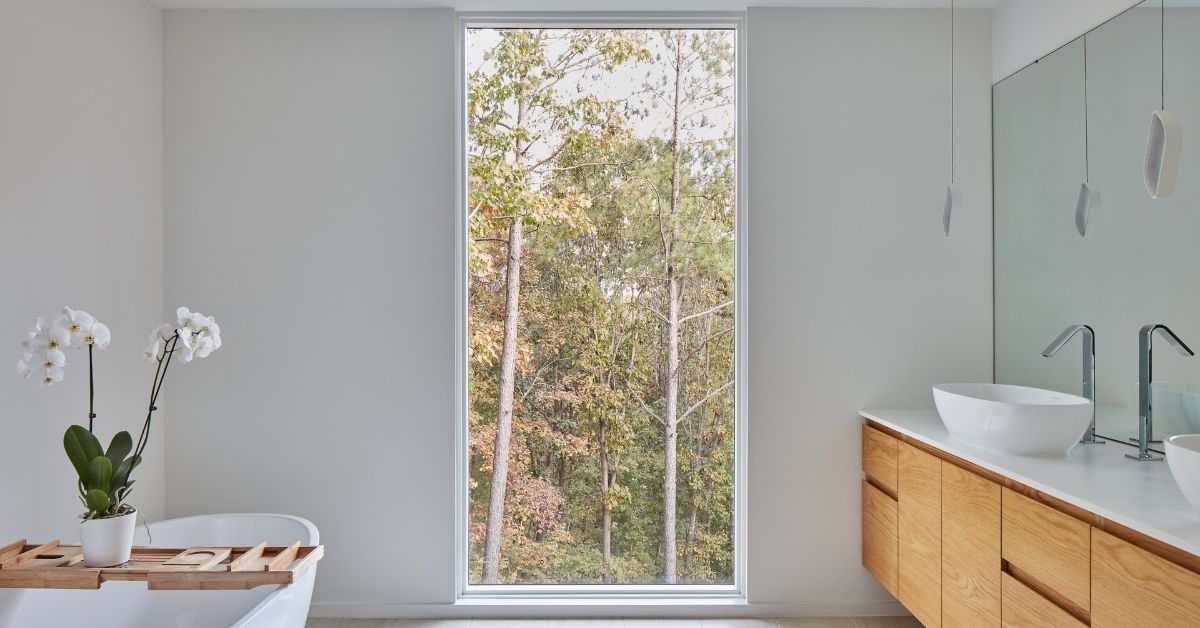
Check for Drafts and Air Leaks
Even small air leaks can have a noticeable impact on comfort and heating costs throughout the winter.
Run your hand around the edges of closed windows and doors to feel for cold air infiltration. You may also notice visible gaps or areas where daylight is visible around the frame.
Another effective method is to hold a lit incense stick or smoke pen near the perimeter of windows and doors. If the smoke moves noticeably toward or away from a particular area, a draft may be present.
Be sure to:
- Test every window and door for smooth operation
- Confirm windows close securely within the frame
- Verify doors latch properly
- Check for gaps between weatherstripping and the frame
- Inspect insulation around window and door openings
Also watch for excessive condensation, especially between glass panes or along window sills. Persistent moisture can indicate failing seals, inadequate insulation, or ventilation concerns that should be addressed before winter arrives.
Finally, inspect surrounding surfaces for signs of mould or mildew, particularly in areas prone to condensation or water intrusion.
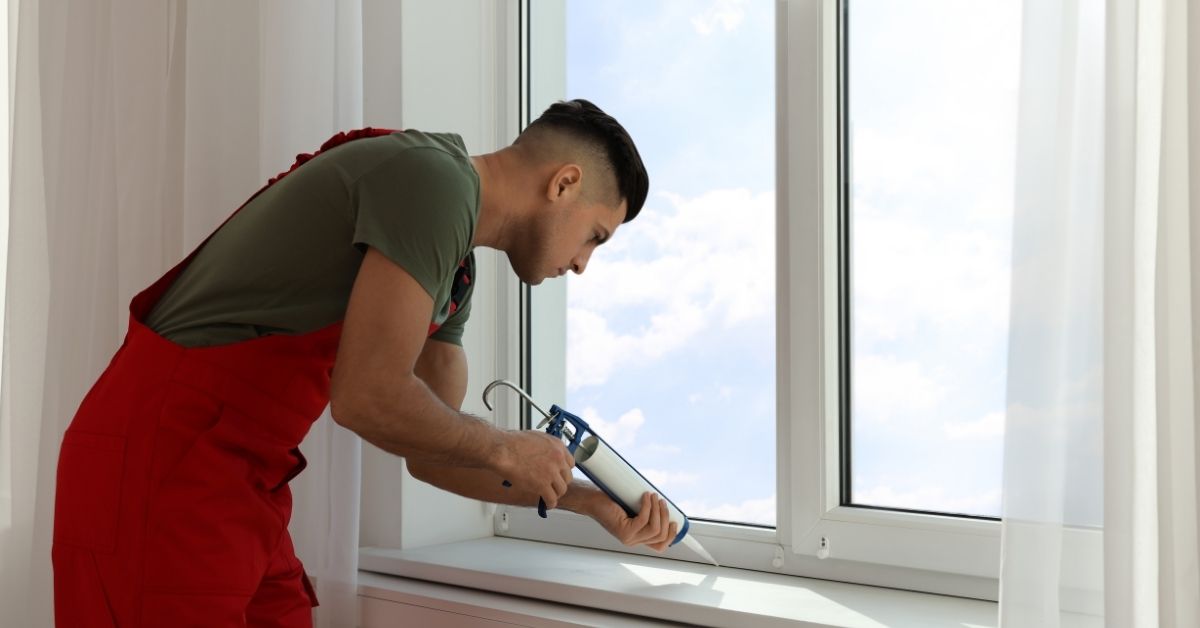
Weatherproof Your Home Before Winter
Once you've identified any problem areas, take steps to improve your home's weather resistance.
One of the most effective upgrades is replacing worn or damaged caulking around windows and doors. High-quality exterior sealants can help block drafts, prevent water infiltration, and improve overall energy performance.
Next, inspect weatherstripping around all operable windows and doors. Weatherstripping should make consistent contact with the frame when closed and show no signs of cracking, flattening, or separation.
Replace any damaged sections to maintain an effective air seal.
For hardware components, apply a dry lubricant specifically designed for windows and doors. Lubricating hinges, locks, rollers, and operators helps ensure smooth operation and can reduce wear caused by winter weather.
Where possible, choose products that provide corrosion protection to help safeguard hardware exposed to moisture and fluctuating temperatures.
Improve Comfort and Energy Efficiency
Regular maintenance plays an important role in preserving the performance of your home's windows and doors.
By cleaning, inspecting, and weatherproofing each fall, you can:
- Improve indoor comfort
- Reduce drafts and cold spots
- Lower heating costs
- Protect against moisture damage
- Extend the lifespan of windows and doors
- Support better overall energy efficiency
If your home still has older windows, aging patio doors, or single-pane glass, you may want to consider upgrading to modern energy-efficient products. Features such as triple-pane glass, advanced weatherstripping, insulated frames, and fiberglass entry doors can dramatically improve comfort while reducing energy consumption.
A few hours of maintenance today can help set the stage for a warmer, more comfortable home all winter long.
To make your fall maintenance even easier, check out our ready-made checklist and ensure your windows and doors are in top shape!


Filter by:
Explore Related Posts
